
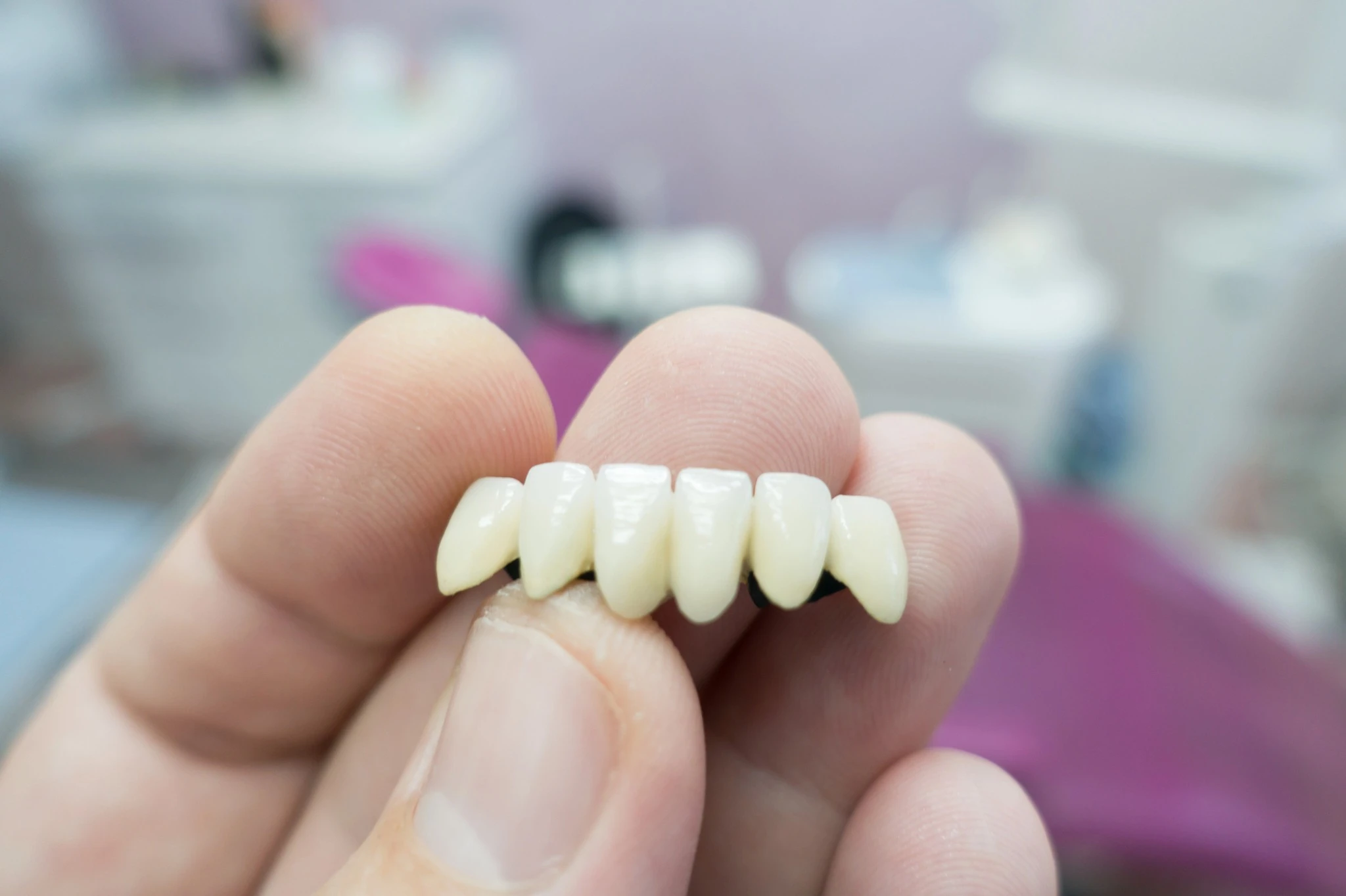
When a tooth becomes weakened or damaged, finding the right solution is essential for maintaining a healthy smile. One of the most common and reliable treatments is dental crowns, which restore both function and appearance. Whether caused by decay, injury, or wear over time, compromised teeth can benefit from this protective solution. Understanding how this treatment works can help patients make informed decisions about their long-term oral health.
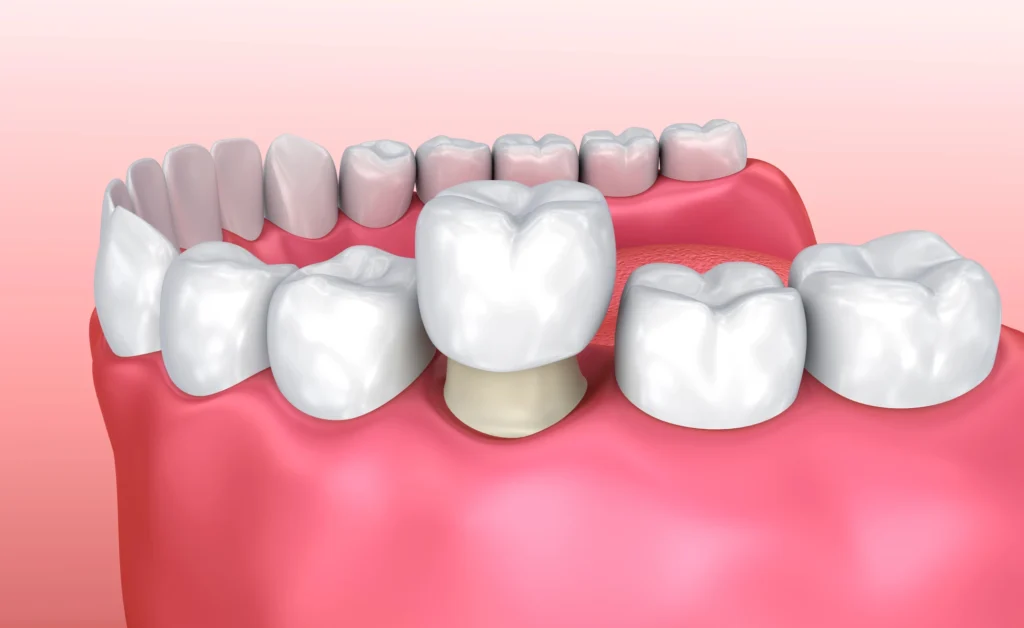
What Are Dental Crowns & How Do They Work
Dental crowns are custom-made restorations that cover the entire visible portion of a tooth. They are designed to reinforce the structure while improving the tooth’s shape and appearance. Once placed, the crown acts as a protective layer that shields the underlying tooth from further damage.
The process typically begins with preparing the tooth to ensure a secure fit. After shaping, a custom crown is created to match the natural look of surrounding teeth. This personalized approach helps maintain both function and aesthetics, allowing patients to speak and chew comfortably.
Common Reasons for Getting a Crown
There are several situations where a crown may be recommended. Teeth that are cracked, severely worn, or weakened by large fillings often need additional support. Crowns are also used after root canal treatment to protect the remaining tooth structure.
In some cases, crowns are placed for cosmetic reasons, especially when a tooth is discolored or misshapen. By addressing both structural and visual concerns, crowns offer a comprehensive solution for improving oral health and confidence.
Benefits for Long-Term Oral Health & Stability
One of the main advantages of this treatment is its ability to support long-term oral health. A properly placed crown can strengthen a tooth and prevent further deterioration. This helps reduce the risk of future procedures.
Crowns also restore normal function, allowing patients to bite and chew without discomfort. By distributing pressure evenly, they help protect surrounding teeth from unnecessary strain. Over time, this contributes to a more balanced and stable bite.
Another important benefit is durability. With proper care, crowns can last for many years, making them a reliable option for maintaining oral health. This long-term performance makes them a practical investment for many patients.
Caring for Your Crown & Maintaining Results
Taking care of a crown is similar to caring for natural teeth. Regular brushing, flossing, and routine dental visits play an important role in maintaining its condition. Good oral hygiene helps prevent issues such as decay around the edges of the crown or gum irritation.
It is also helpful to avoid habits that could damage the restoration, such as chewing on hard objects. Being mindful of daily habits can help extend the life of the crown and keep your smile looking its best.
Consistent checkups allow dental professionals to monitor the crown’s condition and address any concerns early. This proactive approach supports long-term success and overall oral health.

Restore Your Smile with Dental Crowns
If you are looking for a reliable way to protect and restore your smile, dental crowns can provide long-lasting support and improved function. At Waxhaw Dental Center, we focus on delivering personalized care that helps you maintain strong, healthy teeth for years to come. Whether you need to repair a damaged tooth or enhance your smile, our team is here to guide you every step of the way. Contact us today to schedule your appointment and take the next step toward better oral health.


