
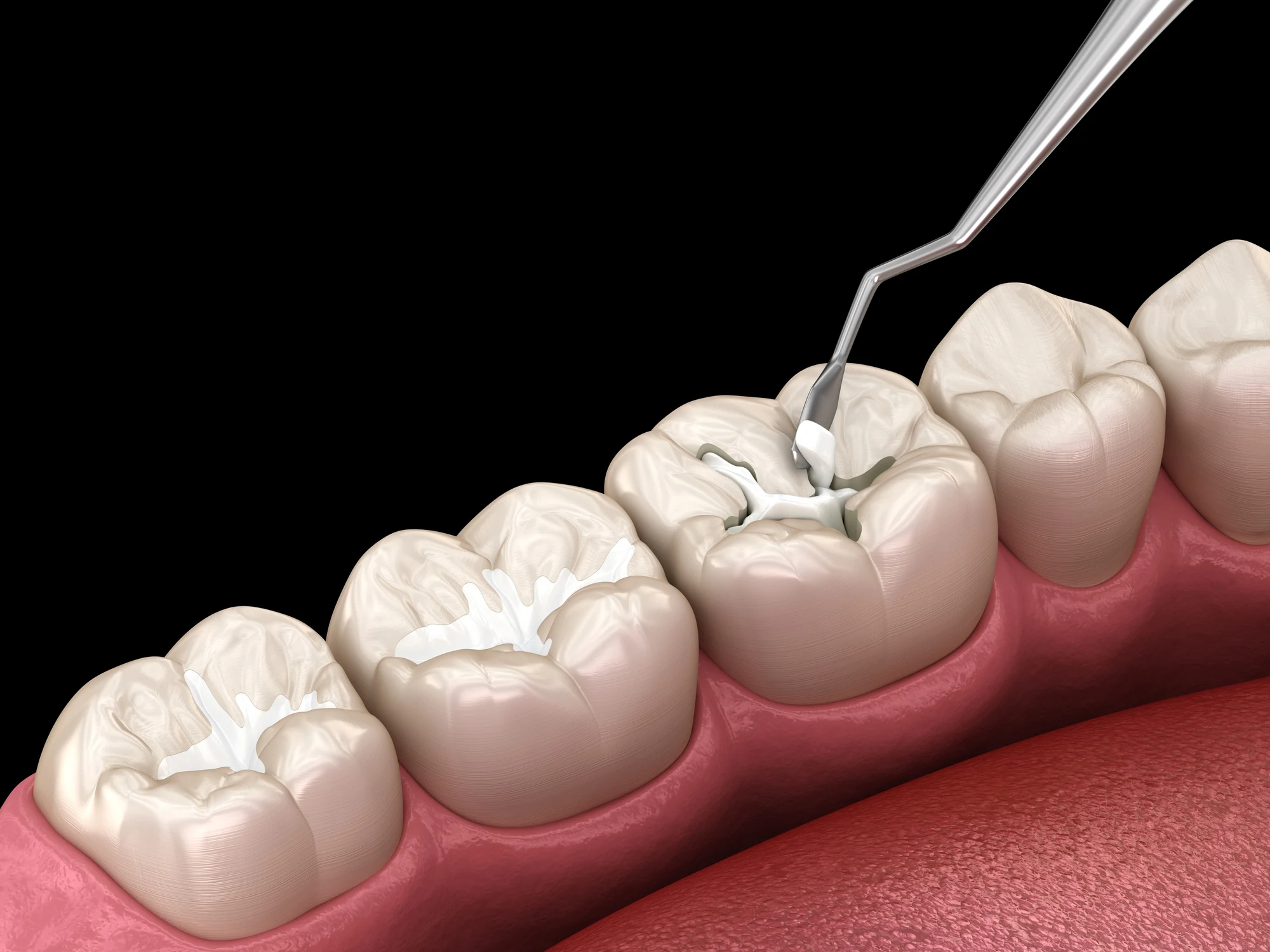
When it comes to protecting young smiles, prevention is key. A Waxhaw dentist often recommends dental sealants as part of a proactive approach to cavity prevention, especially for children and teens. Sealants act as a protective barrier, helping shield vulnerable teeth from decay before problems begin. Understanding how and why sealants are recommended can help parents feel confident about this preventive step.
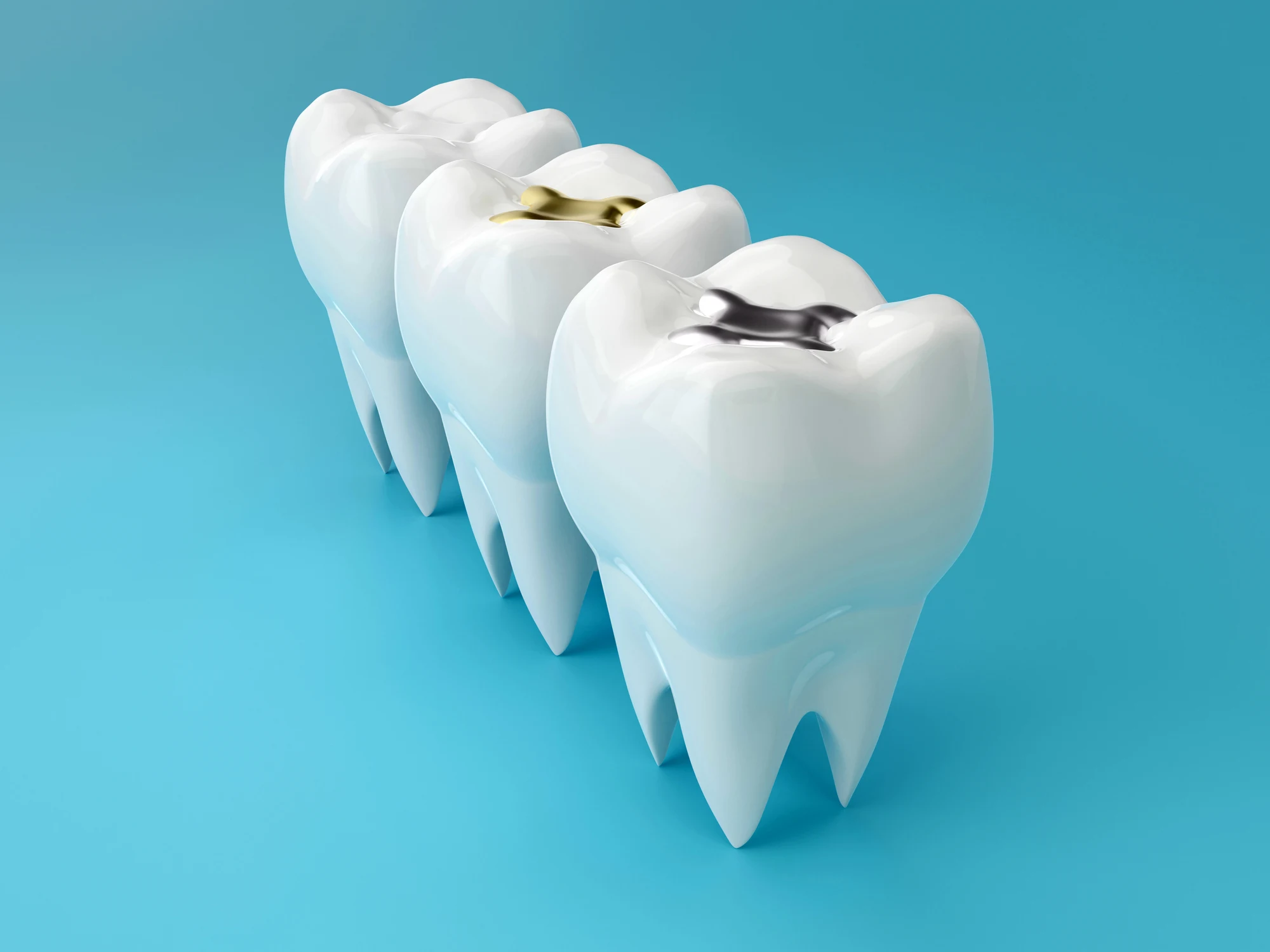
What Are Dental Sealants & How Do They Work?
Dental sealants are thin, protective coatings applied to the chewing surfaces of back teeth. Molars and premolars have deep grooves that can trap food particles and bacteria. Even with good brushing habits, these grooves can be difficult to clean thoroughly. Sealants fill these small crevices, creating a smoother surface that is easier to maintain. According to the Centers for Disease Control and Prevention, school-age children without sealants are nearly three times more likely to develop cavities in their molars than those with sealants.
Why Molars Need Extra Protection
- Deep pits & fissures collect bacteria
- Newly erupted permanent teeth are more cavity-prone
- Children are still developing consistent hygiene habits
By sealing these areas early, dentists reduce the risk of decay during cavity-prone years.
When Does A Dentist Recommend Sealants?
A Waxhaw dentist typically evaluates sealant candidacy during routine checkups. Sealants are most commonly applied to permanent molars soon after they erupt, usually between ages 6 and 12. However, some adults with deep grooves and no existing decay may also benefit. During an exam, the dentist assesses the tooth eruption stage, the presence of early enamel wear, the risk of cavities, and overall oral hygiene. The American Dental Association supports sealants as an evidence-based preventive measure for reducing tooth decay in children and adolescents. Early application often prevents the need for more complex restorative treatment later.
What Is The Sealant Application Process Like?
Parents often appreciate that sealants are simple and non-invasive. The process does not require drilling or numbing in most cases.
Step-By-Step Overview
- The tooth is cleaned thoroughly.
- A conditioning solution prepares the enamel surface.
- The sealant material is applied to the grooves.
- A curing light hardens the material.
The entire process typically takes only a few minutes per tooth. Once hardened, sealants provide durable protection and can last several years with proper care. Routine dental visits allow the dentist to monitor sealants and reapply them if necessary.
Are Dental Sealants Safe & Effective?
Extensive research supports the safety and effectiveness of dental sealants. The National Institute of Dental and Craniofacial Research notes that sealants can prevent up to 80 percent of cavities in molars during the first two years after placement. Sealants are made from dental-grade materials designed for long-term oral use. They are carefully applied and evaluated during follow-up visits to ensure they remain intact. Combined with brushing, flossing, and regular cleanings, sealants add an extra layer of protection during the years when cavities are most common.
Prevention Today & Fewer Problems Tomorrow
Preventive and emergency dentistry focuses on minimizing risk before it becomes a costly or uncomfortable issue. Sealants are one part of a broader prevention strategy that includes fluoride treatments, consistent hygiene education, and routine monitoring. When families understand the purpose behind sealants, they are better equipped to make informed decisions. Preventing decay not only protects enamel but also helps children avoid fillings and more advanced procedures later.
Schedule A Visit With A Waxhaw Dentist To Protect Growing Smiles
If you have questions about whether dental sealants are appropriate for your child, it may be time to schedule an appointment. At Waxhaw Dental Center, we evaluate each patient’s cavity risk and provide personalized preventive care tailored to growing smiles. As a trusted Waxhaw dentist, our team focuses on education, early protection, and long-term oral health so families can feel confident about their preventive choices.


